
Ohio Arrest Records
Ohio arrest records are public documents kept by law enforcement across the state. You can search them online or ask for copies from the right office. The state has 88 counties, and each one has a Sheriff's Office that stores arrest records for its area. Ohio also runs a free statewide offender search tool through the Department of Rehabilitation and Correction. For a full arrest report or booking details, contact the Sheriff's Office in the county where the arrest took place. Most searches start with a name and county. Results come back fast when you use the right tools and know which agency to call.
Ohio Arrest Records Overview
Where to Find Ohio Arrest Records
The county Sheriff's Office is where arrest records live in Ohio. Each of the 88 counties has one. The Sheriff runs the county jail, handles arrests, and keeps all booking records. When a person gets arrested, the Sheriff's Office creates a record with the person's name, charges, booking date, mugshot, and arresting agency. You can visit in person or call to ask about records. Most offices are open Monday through Friday. Many counties now post jail rosters online so you can check recent bookings from home.
The Ohio Department of Rehabilitation and Correction runs a statewide offender search tool. It covers current state prison inmates, people under supervision, and released offenders. You can search by name, offender number, county of commitment, residential county, or zip code. The DRC system uses letter prefixes for offender numbers. Female inmates get a "W" prefix while male inmates use "A" or "R" before their six-digit number. The tool is free and open to everyone.
The DRC offender search at appgateway.drc.ohio.gov lets the public look up Ohio arrest and conviction details for free.
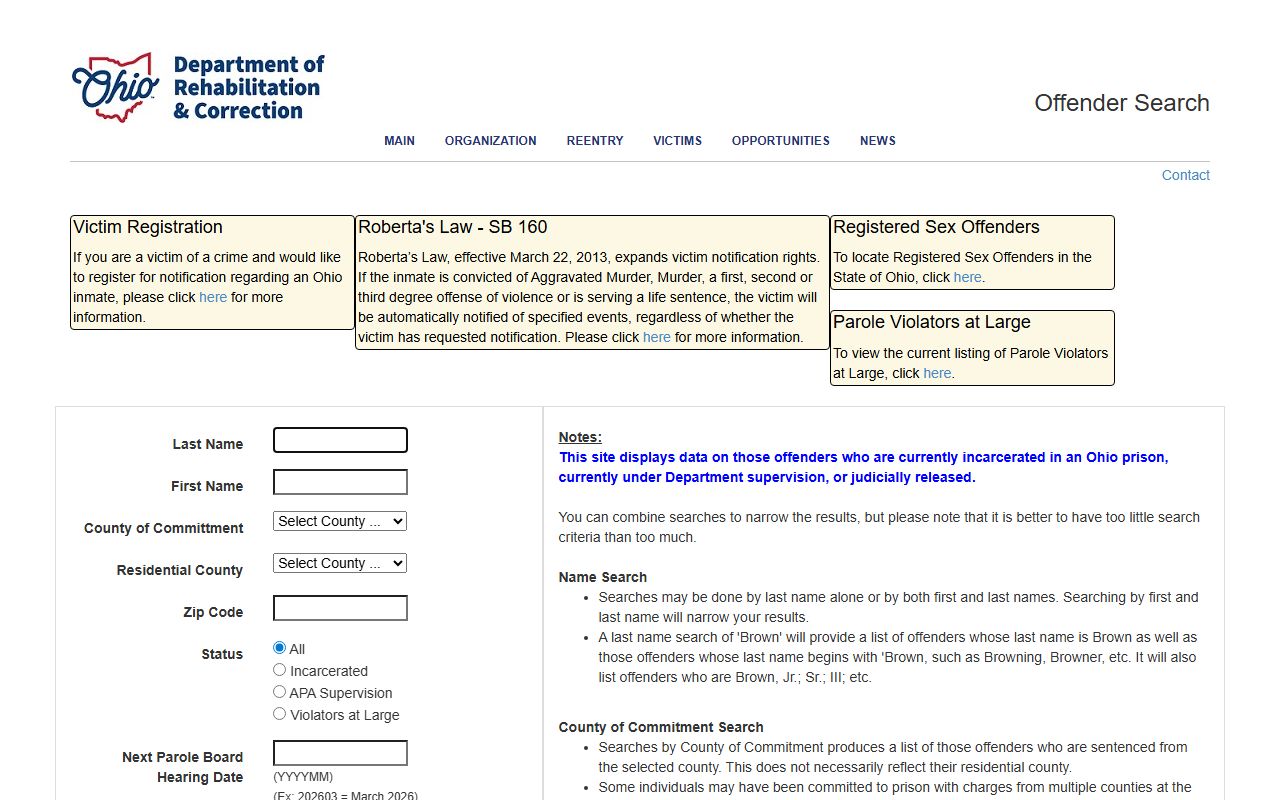
Results include the offender's name, mugshot, criminal history, sentence info, and facility location. The DRC headquarters is at 770 West Broad Street in Columbus. Call (614) 752-1159 for help with the system.
The Ohio State Highway Patrol keeps its own arrest records too. The Patrol covers all state highways and state property. Arrests on state roads go through them, not the local sheriff. Their Records Section handles requests for crash reports and incident reports.
The Highway Patrol website at statepatrol.ohio.gov provides access to reports and records information.

OVI arrests, traffic violations, and criminal incidents on Ohio roadways all fall under the Patrol's records.
How to Search Ohio Arrest Records Online
Start with the DRC Offender Search. It is the biggest statewide tool for Ohio arrest records. You can search by first name, last name, or both. Filters include county of commitment, residential county, and next parole board hearing date. The results show charges, sentence details, and which facility holds the person. It costs nothing to use.
County jail rosters are the next best tool. Most Sheriff's Offices post a list of current inmates on their website. The roster shows names, booking dates, charges, and bond amounts. Some counties like Adams County update theirs every 24 hours. Others take longer. You just need a name to search. No sign-up or fee is needed for a basic roster check. Jail rosters cover people in county custody right now, not past arrests or state prison inmates.
The Ohio Attorney General's WebCheck system handles fingerprint-based checks through the Bureau of Criminal Investigation. A BCI check costs $22 for Ohio records only. An FBI check is $30. The combo runs $52. WebCheck locations are at sheriff's offices, police departments, and private fingerprinting services across Ohio. Electronic fingerprinting gives results in just a few hours instead of the 30 days that ink methods can take.
The BCI WebCheck page at ohioattorneygeneral.gov shows how to find a location near you and what to bring.
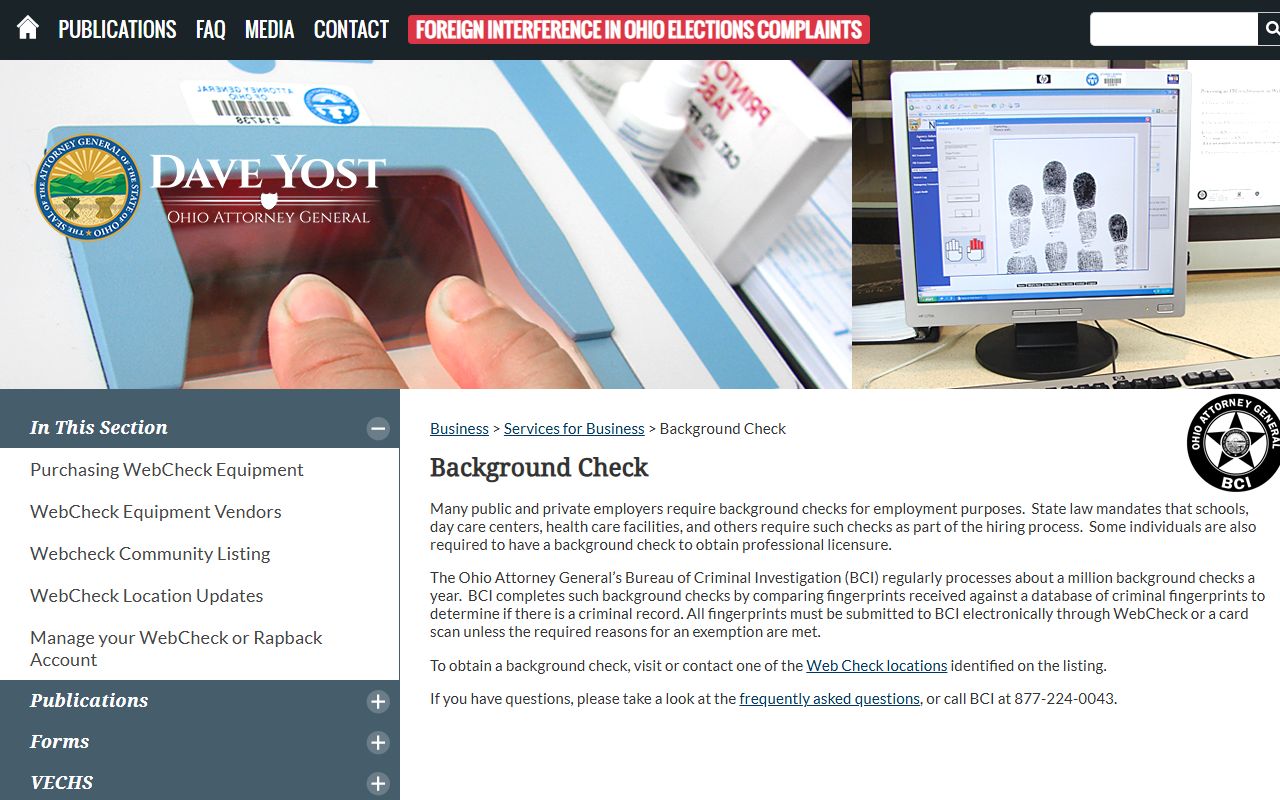
Bring a government-issued photo ID. If you need both Ohio and FBI checks, confirm the location offers both before you go. Call the BCI at 877-224-0043 for status questions.
Ohio Arrest Records and Public Access Laws
Arrest records are public in Ohio. Ohio Revised Code Section 149.43 is the Public Records Act. It says public records must be made available when someone asks. You do not have to give your name. You do not need to explain why you want the records. The law is firm on that.
The Act lays out what arrest record details are open to the public. That list includes the person's name, date of arrest, arrest location, physical description, arresting agency, specific charges, bond or bail amount, booking photo, and the court where the case will be heard. Most of what people want when they search Ohio arrest records is right there in the public portion of the file.
The full text of ORC 149.43 on Justia shows every rule and exemption for Ohio public records.
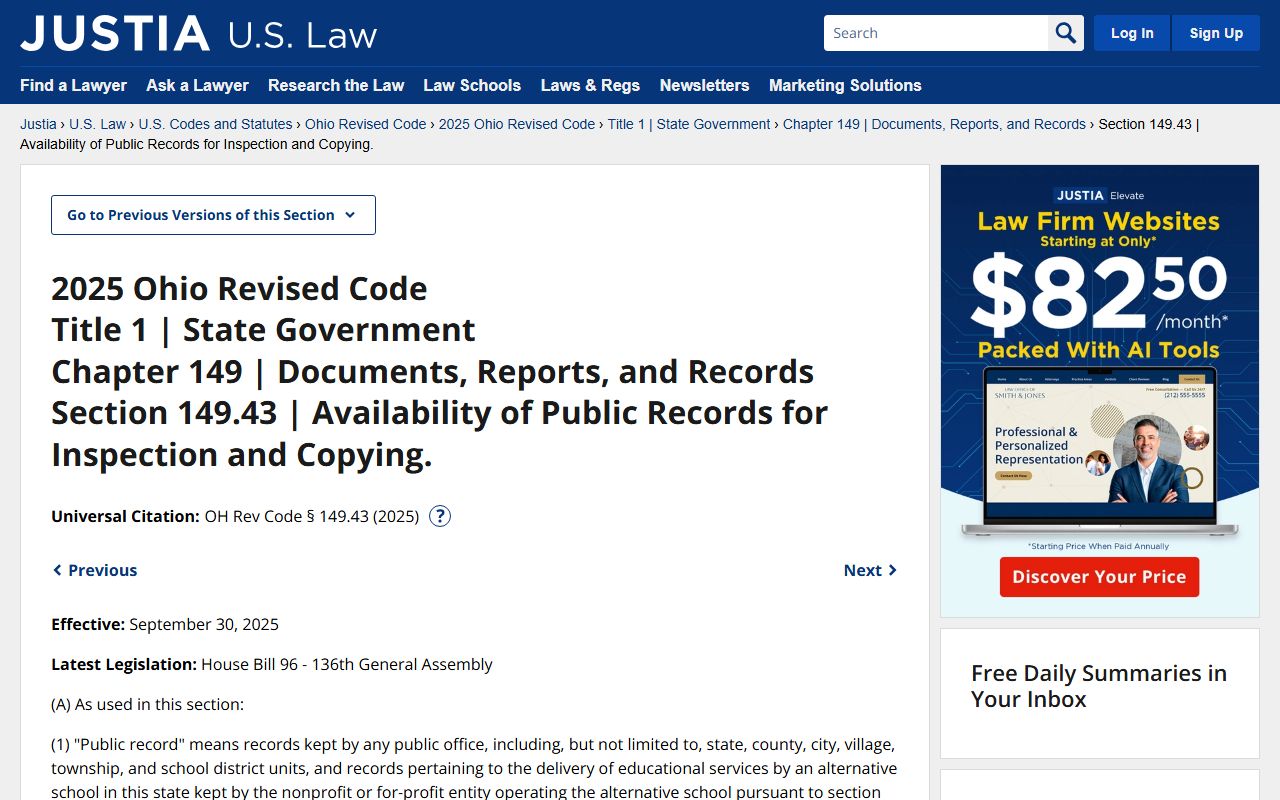
Exemptions exist. Juvenile records are sealed. Info that could risk the safety of officers, victims, or witnesses stays restricted. Social Security numbers, bank accounts, and other sensitive data get removed before release.
Ohio arrest records stay on file for good. No set time limit causes them to drop off. If the arrest led to a conviction, the record remains. Ohio does let people petition a court to seal or expunge certain records though. Dismissed charges, acquittals, and completed diversion programs can all qualify for sealing. Once sealed, the record is restricted from public view but not destroyed.
Ohio Revised Code Section 109.572 gives the Bureau of Criminal Investigation authority to run checks and keep a statewide criminal history database with data from courts and law enforcement.
The statute text at codes.ohio.gov details BCI's role in maintaining Ohio's criminal records system.
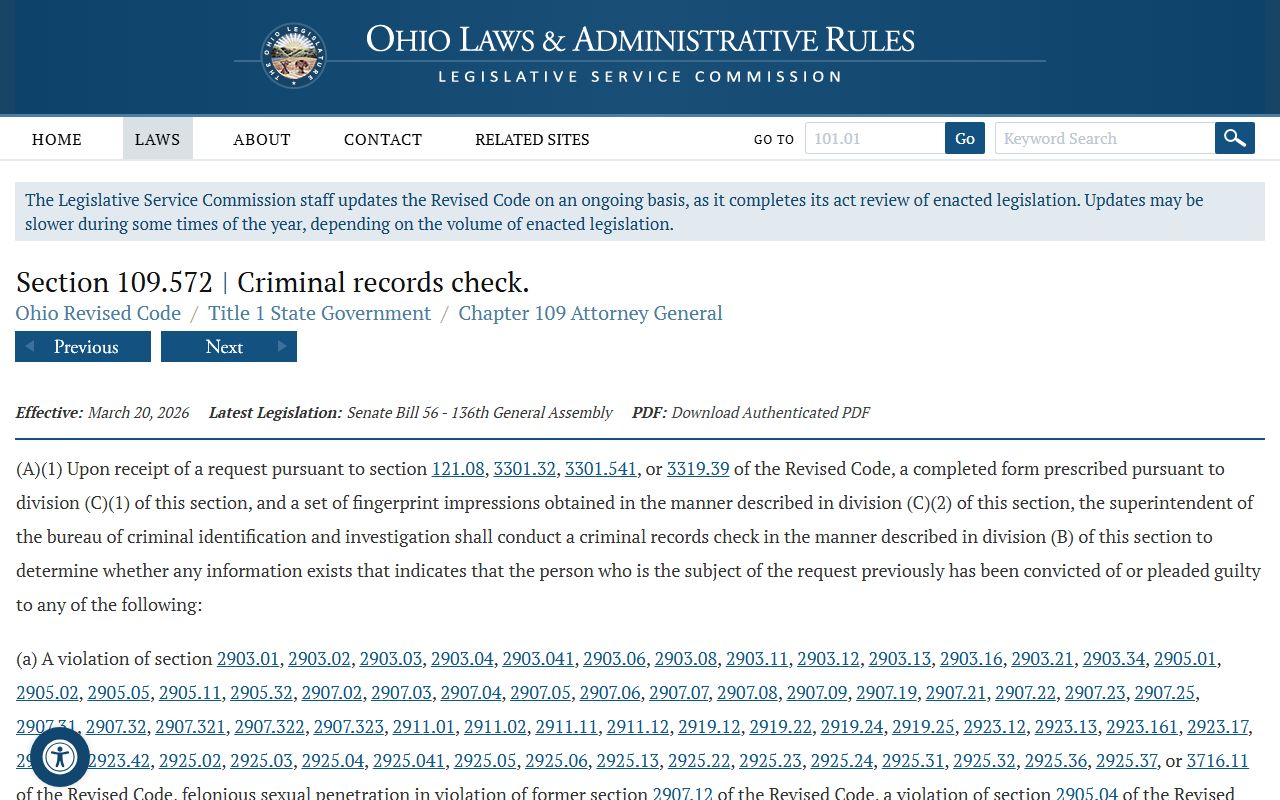
The BCI database includes arrest data, charges, and dispositions from agencies statewide. Schools, healthcare facilities, and childcare providers use it to check records for people who work with vulnerable groups.
Types of Ohio Arrest Records
Arrest records in Ohio come in several forms. The booking record is the most basic. It gets created when someone is processed into a county jail. It has the person's name, date of birth, physical description, charges, arresting officer, and booking photo. County jail rosters pull from this data.
A full arrest report goes deeper than a booking record. It includes the officer's narrative of what happened, details about the incident, any witness statements, and evidence notes. The law enforcement agency that made the arrest keeps these reports. Getting a copy usually means filing a formal records request. Fees depend on the county. Some charge per page. Others set a flat rate for the whole report.
Court records are yet another category. When charges get filed, the case moves into the court system. The Supreme Court of Ohio keeps a public docket going back to 1985. You can search by name, case number, or filing date. The Ohio Sex Offender Registry through the eSORN system tracks registered offenders across all 88 counties. Arson offenders must register once a year with the Sheriff too.
- Booking records with charges and mugshot
- Full arrest reports with officer narrative
- Court case records and docket entries
- Inmate records from county jails
- DRC records for state prison inmates
Note: Booking records and jail rosters are usually the fastest to get since many counties post them online without any formal request needed.
Requesting Copies of Ohio Arrest Records
Contact the Sheriff's Office in the county where the arrest happened. That is the starting point. You can go in person, call, or send a written request. In-person visits work best. Most offices handle walk-in requests the same day. Bring the person's full name and any other details you have. A date of birth or arrest date helps narrow things down fast.
Mail requests work too. Send a letter with the record details and payment for copy fees. Money orders and cashier's checks are the most common ways to pay. Some offices take cash in person but not by mail. Expect a week or more for mail requests to come back. Inspection of records is free under Ohio law. Copies cost a small per-page fee set by each agency.
If a public office turns down your request, the Ohio Court of Claims has a mediation process for records disputes. You file a complaint, and the court tries to work things out between you and the office. If that fails, they hold a hearing and make a binding call.
The Ohio Court of Claims website shows how to file a public records complaint when access is denied.
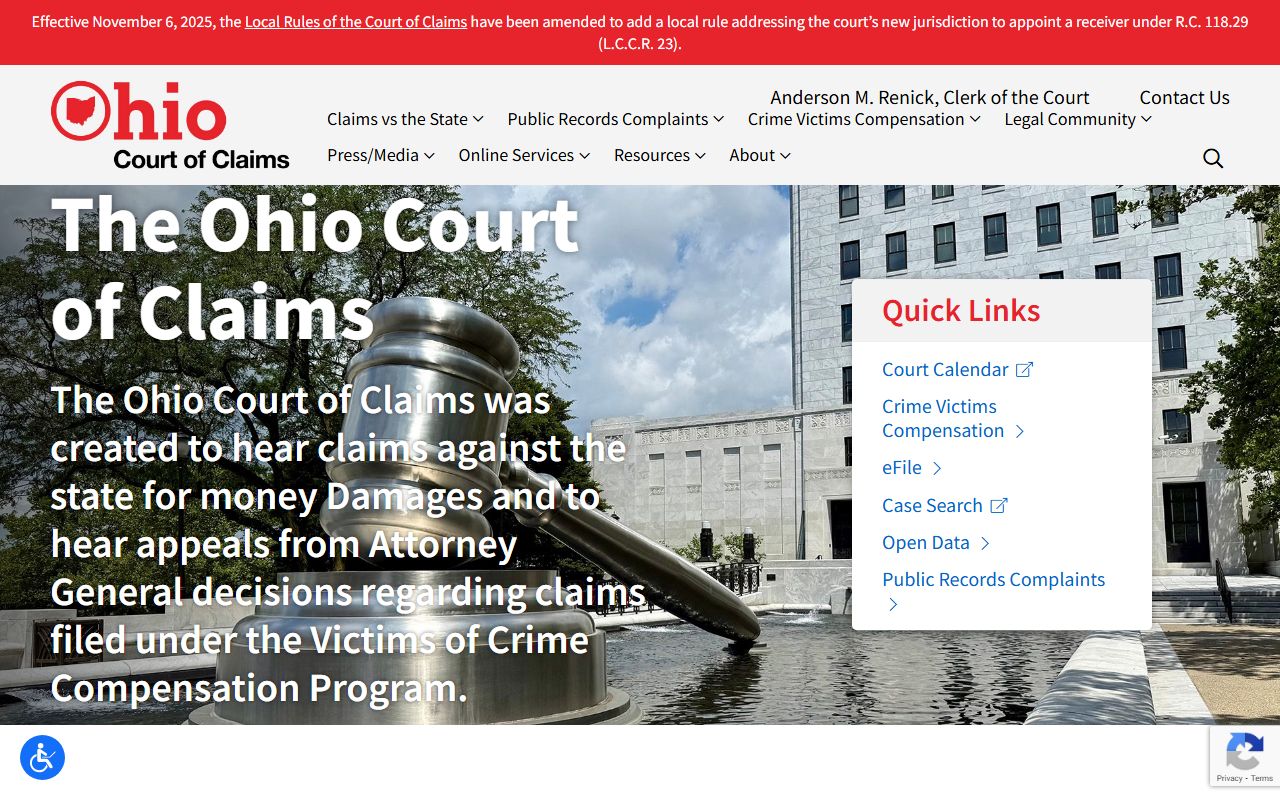
This process is cheaper and faster than going to court on your own. The Attorney General's Sunshine Laws Manual also covers timeframes, fee limits, and proper handling of records requests.
Legal Help for Ohio Arrest Records Access
The Ohio State Bar Association has guides on public records laws. They explain your rights as a requester. They cover what to do if your request gets denied. The Bar also runs a lawyer referral service for people who need legal advice about a records issue or a criminal case.
The Bar Association at ohiobar.com connects you with attorneys who handle records and criminal law.

Their online directory lets you search for lawyers by practice area and location.
The Ohio Municipal League works with city governments on records law compliance. They help police departments follow public records rules and set up proper retention schedules. The OML publishes model policies that member cities use to handle records requests. If a city agency drags its feet on your request, the OML standards give you a benchmark for what proper handling looks like.
The Ohio Municipal League at oml.org provides guidance that municipal police departments follow for arrest records management.

Their training materials and publications help smaller departments stay in line with state law on records access.
Note: Ohio arrest records stay public unless a court seals or expunges them. Start your search at the Sheriff's Office in the county where the arrest occurred.
Browse Ohio Arrest Records by County
Each of Ohio's 88 counties has a Sheriff's Office that keeps arrest records. Pick a county below to find the office address, phone number, hours, and local resources for arrest records in that area.
Arrest Records in Major Ohio Cities
City police departments make arrests within city limits, but booking goes through the county jail system. Pick a city below to find which county handles arrest records for that area.